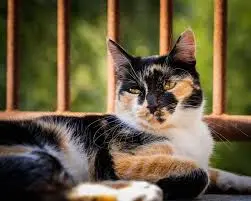

When people think of a cat that stands out, the calico tabby cat often comes to mind. This is not a separate breed but a unique mix of coat color and pattern. Understanding what makes a calico tabby cat different requires a closer look at genetics, history, behavior, and real-life examples from cat owners.
In this article, we will break down everything about calico tabby cats — their origin, what makes their coats unique, their personality, health considerations, and how to care for them. We will also share case examples from real households to make the facts more practical.
What Is a Calico Tabby Cat?
To start, it’s important to understand the terms separately:
- Calico means a cat with three colors in its coat. The usual combination is white, black, and orange (or cream, gray, and ginger in diluted versions).
- Tabby refers to the pattern of the fur. A tabby cat shows stripes, swirls, or spots along with an “M” marking on the forehead.
When these two combine, you get a calico tabby, sometimes also called a caliby. These cats have the tricolor coat of calico but also display tabby markings.
Unlike breeds such as Maine Coons or Persians, calico tabby cats are not recognized as a breed. Instead, they can be found across many breeds, including Domestic Shorthair, American Shorthair, and even long-haired varieties like Norwegian Forest Cats.
👉 For more detail about how cat coat genetics work, the Cornell Feline Health Center provides resources on feline genetics and coat colors.
The Genetics Behind Calico Tabby Cats
The coat of a calico tabby is a result of X-chromosome linked genes.
- The orange gene (O) is carried on the X chromosome.
- Female cats have two X chromosomes (XX), giving them a higher chance of displaying two different color codes (orange and non-orange).
- Male cats have one X and one Y chromosome (XY), so they usually show either orange or non-orange, not both.
This is why nearly all calico cats — including calico tabbies — are female. Studies show that only 1 in 3,000 calico cats are male, and those males are often sterile due to genetic abnormalities like Klinefelter syndrome (XXY).
Coat Patterns: What Makes Them Unique
A calico tabby can show several different coat variations:
- Classic Caliby – Large patches of white, orange, and black with tabby stripes visible in the orange and black areas.
- Dilute Caliby – Softer shades such as gray, cream, and light orange instead of bold black and orange.
- Patched Tabby – Tabby stripes all over the body with patches of calico coloring mixed in.
- Torbie and White – A tortoiseshell tabby pattern (called torbie) combined with white patches.
Case Example:
A household in Ohio adopted a Domestic Shorthair with a dilute caliby pattern. The cat had a mostly cream coat with pale gray stripes and light orange patches. The owner described her as “easy to identify among other cats because the patterns made her look like three cats in one.”
Personality of Calico Tabby Cats
Since calico tabby cats are not a breed, their personality depends on their genetics and upbringing rather than coat type. However, cat owners often report some recurring behaviors.
- Energetic playfulness – Tabby cats in general are known to be active and curious.
- Independent streak – Many calico owners mention that their cats have a strong sense of individuality.
- Affectionate moments – They often form close bonds with a single family member.
- Talkative tendencies – Some calico tabbies, especially in breeds like the American Shorthair, are vocal and expressive.
👉 A detailed discussion on cat behavior patterns can be found at ASPCA’s Cat Care Guide.
Case Example:
In a family from California, their calico tabby named Molly developed a routine of following the kids around the house. While she enjoyed being near them, she did not always want to be touched. The family learned to read her signals, understanding when she wanted to play and when she needed space.
Health and Lifespan
Like all cats, calico tabby cats’ health depends on genetics, environment, and care. They are not predisposed to special health problems simply because of their coat color.
- Lifespan: The average lifespan is 12 to 16 years, though indoor cats can live longer.
- Weight: Most weigh between 8 to 12 pounds, depending on breed and diet.
- Common conditions: Dental issues, obesity, and urinary tract infections are more common than rare genetic disorders.
Male calico tabbies, due to their rare genetic makeup (XXY), often face additional health risks, including:
- Lower fertility or sterility
- Shorter lifespan in some cases
- Higher risk of diabetes and joint issues
👉 For more information on feline health, visit PetMD’s Cat Health Resource.
Caring for a Calico Tabby Cat
Caring for a calico tabby cat is much like caring for any other domestic cat.
1. Diet
A balanced diet with high-quality protein supports healthy coats and energy. Avoid overfeeding, as obesity is one of the top health issues in house cats.
2. Grooming
- Short-haired calico tabbies: Weekly brushing to remove loose hair.
- Long-haired calico tabbies: Daily brushing to avoid tangles and mats.
3. Exercise
Interactive toys, scratching posts, and climbing spaces help keep them active.
4. Vet Care
Annual check-ups, vaccinations, and dental cleaning are recommended.
Case Example:
One cat owner in Texas reported that her calico tabby, Penny, developed hairballs frequently. Regular brushing reduced the problem by half, and switching to a fiber-rich cat food also helped.
Do Calico Tabby Cats Get Along With Other Pets?
Many households have reported that calico tabbies adjust well to multi-pet homes. Their compatibility depends more on socialization than coat color.
- With dogs: Early introduction works best. Some calicos act dominant, while others avoid confrontation.
- With other cats: They may establish a “pecking order.” Owners often say their calico tabby prefers to be the leader.
👉 The International Cat Care organization has guides on introducing cats to new pets.
Case Example:
A family in New York had two cats — a male tuxedo and a female calico tabby. At first, the calico tabby hissed and stayed distant. Within six months, they were seen grooming each other and even sharing the same sleeping spot.
Myths About Calico Tabby Cats
- “All calico cats are aggressive.”
– Not true. Behavior varies individually. - “They bring good luck.”
– In Japan, calico cats (called mi-ke) are considered lucky and often represented in Maneki Neko statues. - “Calico tabby cats are a breed.”
– They are not a breed but a combination of coat color and pattern.
Adoption and Availability
Because calico tabbies are not a breed, they are commonly found in shelters. Their distinct appearance often makes them adopted quickly.
- Adoption cost: Typically ranges between $50 to $150 at shelters, which includes spaying/neutering and vaccinations.
- Breeders: Some breeders may have kittens with calico tabby markings, especially in American Shorthair or Maine Coon litters.
👉 To find adoptable cats, you can check Petfinder or local humane societies.
Real-Life Household Case Studies
Case 1: The Independent Explorer
Owner: Emily, Florida
Cat: “Trixie,” a dilute calico tabby Domestic Shorthair
Behavior: Trixie spends most of her day watching birds through the window. She prefers sitting near people rather than being held.
Case 2: The Family Guardian
Owner: Daniel, Illinois
Cat: “Max,” a rare male calico tabby
Behavior: Despite health issues, Max is protective of the household and follows family members from room to room. His presence shows that male calico tabbies, though rare, can live fulfilling lives.
Case 3: The Playful Companion
Owner: Sarah, Oregon
Cat: “Luna,” a long-haired calico tabby
Behavior: Luna loves playing with feather toys and chasing laser lights. Her coat requires daily grooming, but Sarah notes the bond grows stronger during brushing sessions.
Final Thoughts
The calico tabby cat is more than just a pretty coat. It’s a fascinating blend of genetics, personality, and individuality. While they are not a breed of their own, their unique patterns make them memorable family members.
From their genetic background to their social behaviors, calico tabby cats show how diverse the domestic cat population is. Whether you adopt one from a shelter or bring one home from a breeder, the experience will always be unique.
If you’re considering adopting a calico tabby cat, remember:
- They are almost always female.
- They need regular grooming and care.
- Their personality depends on upbringing, not coat color.
- They can live long, healthy lives with proper attention.
👉 For a deeper dive into cat care, visit Cat Fanciers’ Association, which covers breeds, coat types, and care standards.