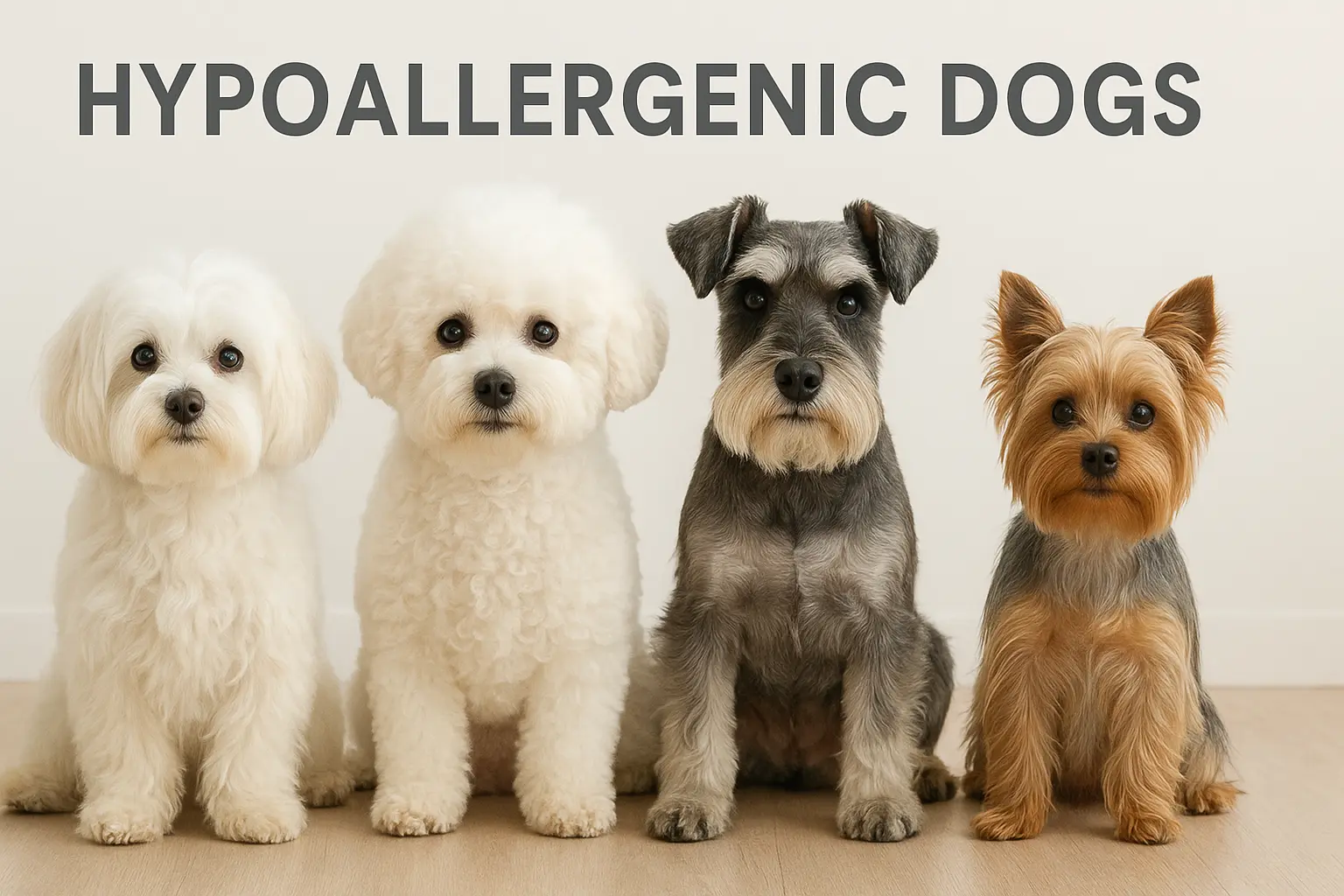

Introduction: Why Hypoallergenic Dogs Matter
For many families, the idea of bringing a dog into the home is filled with excitement. Dogs bring companionship, routine, and joy. But for people who suffer from allergies, owning a dog can also mean watery eyes, sneezing, and breathing difficulties. This is where hypoallergenic dogs become an important consideration.
While no dog is 100% allergy-free, certain breeds and products, such as hypoallergenic dog shampoo, can make life easier for allergy-sensitive owners. In this article, we will explore the facts about hypoallergenic dogs, highlight small hypoallergenic dog breeds, discuss the best hypoallergenic dogs for families, and share practical care tips backed by real experiences.
What Does “Hypoallergenic” Mean in Dogs?
The word hypoallergenic simply means “less likely to trigger allergies.” It does not mean completely allergy-free.
Allergies to dogs are usually caused by:
- Dander: tiny flakes of skin shed by dogs.
- Saliva: proteins in saliva can stick to fur and surfaces.
- Urine: can also contain allergy-triggering proteins.
Some breeds shed less hair, produce less dander, or have coat types that trap allergens more effectively. This makes them a better fit for households with allergy concerns.
Case Study: Families Living With Hypoallergenic Dogs
To understand the role of hypoallergenic dogs, let’s consider real-world examples:
- Family A: Parents and two children, with one child having moderate allergies. They chose a Miniature Schnauzer, a small hypoallergenic breed. The family reported reduced allergy symptoms when using HEPA filters, frequent grooming, and a hypoallergenic dog shampoo.
- Family B: A couple living in an apartment. Both are sensitive to pet dander but love dogs. They adopted a Bichon Frise, a small hypoallergenic dog known for its curly coat. Regular grooming and professional grooming visits every 4–6 weeks allowed them to manage allergies effectively.
- Family C: Dog lovers with severe allergy issues. They opted for a Poodle, a breed that consistently appears on best hypoallergenic dog lists. They use a strict cleaning routine, vacuum with pet filters, and rely on specialized shampoos. Their case shows that combining breed selection with lifestyle adjustments makes dog ownership possible even with allergies.
These cases show that while hypoallergenic dogs are not a cure, they are a practical choice for allergy-conscious families.
Small Hypoallergenic Dogs: Perfect for Apartments and Families
Small hypoallergenic dogs are especially popular for families living in apartments or smaller homes. These breeds combine a manageable size with allergy-friendly coats.
Popular Small Hypoallergenic Dogs
- Bichon Frise
- Small, fluffy, and cheerful.
- Their curly coat helps trap dander.
- Requires regular grooming.
- Maltese
- Long, silky hair that sheds very little.
- Known for being affectionate and adaptable.
- Needs consistent brushing to avoid tangles.
- Miniature Schnauzer
- Distinctive beard and wiry coat.
- Intelligent and alert, making them good watchdogs.
- Regular trimming needed to control coat growth.
- Yorkshire Terrier (Yorkie)
- Small in size, with fine, silky hair.
- Low-shedding breed.
- Popular among urban families.
- Shih Tzu
- Friendly and adaptable.
- Long coat but minimal shedding.
- Needs regular coat maintenance.
These small dogs provide companionship while reducing the risk of triggering allergies.
Best Hypoallergenic Dogs: Beyond Size
While small breeds are convenient, some medium and large dogs are also considered among the best hypoallergenic dogs.
Best Hypoallergenic Dogs (All Sizes)
- Poodle (Toy, Miniature, Standard)
- Widely recognized as hypoallergenic.
- Highly intelligent and trainable.
- Comes in three sizes, making them versatile.
- Portuguese Water Dog
- Medium size with a curly, water-resistant coat.
- Energetic and well-suited for active families.
- Famous as the breed owned by the Obama family.
- Labradoodle (Poodle-Labrador Mix)
- Not all are hypoallergenic, but many inherit the Poodle’s coat.
- Friendly, playful, and social.
- Popular choice for families with kids.
- Basenji
- Known as the “barkless dog.”
- Short coat, minimal shedding.
- Independent personality.
- Kerry Blue Terrier
- Soft, wavy coat.
- Medium size and strong working background.
- Requires consistent grooming.
Hypoallergenic Dog Shampoo: Supporting Allergy-Friendly Care
Choosing a hypoallergenic dog breed is only part of the solution. Grooming plays a huge role in managing allergens.
Why Hypoallergenic Dog Shampoo Matters
- Reduces dander by cleansing the skin.
- Soothes sensitive skin to prevent dryness and flaking.
- Keeps the dog’s coat clean, which lowers the spread of allergens.
Features of Good Hypoallergenic Shampoos
- Free of harsh chemicals: Avoids sulfates, parabens, and artificial fragrances.
- Moisturizing ingredients: Oatmeal, aloe vera, and coconut oil are common.
- pH-balanced for dogs: Prevents skin irritation.
Real-World Example
A dog owner with mild allergies found that switching to a hypoallergenic oatmeal-based shampoo for her Maltese reduced flare-ups significantly. Paired with weekly brushing and monthly grooming, her symptoms decreased enough to avoid medications.
For more guidance on dog grooming practices, the American Kennel Club (AKC) provides useful resources on coat care and dog health.
Practical Tips for Living With Hypoallergenic Dogs
Even with the right breed, daily habits matter.
- Regular Grooming
- Brush at least 2–3 times a week.
- Schedule professional grooming every 4–8 weeks.
- Frequent Bathing
- Use hypoallergenic dog shampoo once every 2–4 weeks.
- Overbathing can cause dry skin, so balance is key.
- Home Cleaning
- Use HEPA filters for air purifiers.
- Vacuum carpets and upholstery regularly.
- Wash dog bedding weekly.
- Allergy Management for Owners
- Wash hands after petting your dog.
- Keep dogs out of bedrooms if allergies are severe.
- Speak with an allergist for medical advice.
The Debate: Are Hypoallergenic Dogs Truly Hypoallergenic?
Scientific research shows that no dog is entirely hypoallergenic. A study published in the Journal of Allergy and Clinical Immunology found that allergen levels vary widely even within the same breed.
This means selecting a dog should not rely solely on the “hypoallergenic” label. Instead, potential owners should:
- Spend time with the breed before adopting.
- Test their allergic reactions in real settings.
- Use grooming and cleaning strategies consistently.
The Emotional Value of Hypoallergenic Dogs
Beyond science and data, hypoallergenic dogs make pet ownership possible for many who otherwise couldn’t have a dog.
- Children with allergies can still experience the joy of growing up with a pet.
- Adults with sensitivities can enjoy companionship without constant discomfort.
- Families can adopt with more confidence, knowing their lifestyle adjustments will pay off.
This blend of practical care and emotional fulfillment is why hypoallergenic dogs remain in high demand.
Conclusion: Finding the Right Balance
Hypoallergenic dogs are not a one-size-fits-all solution. They reduce, but do not eliminate, allergens. By choosing breeds like Bichon Frise, Poodle, or Maltese, and using products like hypoallergenic dog shampoo, families can manage allergies effectively.
The key is a combination of:
- Selecting the right breed.
- Maintaining grooming routines.
- Adjusting household cleaning habits.
- Seeking medical guidance when necessary.
For anyone considering dog ownership with allergies, the message is clear: with the right approach, hypoallergenic dogs make pet companionship possible and rewarding.