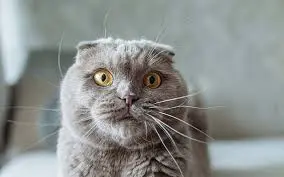

When people hear the term Scottish Fold Munchkin cat, they often imagine a small, round-eyed cat with short legs and folded ears. This hybrid breed has gained attention over the past decade, both for its unusual appearance and the debates around its health.
This article will explain the origins of the Scottish Fold Munchkin cat, its physical traits, personality, health issues, and what owners should consider before adopting one. We will also include real examples, references to data from veterinary sources, and practical tips so you can make informed choices.
1. What Is a Scottish Fold Munchkin Cat?
A Scottish Fold Munchkin cat is a crossbreed of two existing breeds:
- Scottish Fold – A cat known for its folded ears, a trait caused by a genetic mutation affecting cartilage.
- Munchkin – A cat recognized for its short legs, a result of a separate genetic mutation that impacts bone growth.
When combined, the result is a small-to-medium cat with both folded ears and short legs.
Quick Facts
- Average Weight: 4–9 pounds
- Lifespan: 12–15 years (average for domestic cats, but may vary due to genetic health risks)
- Coat Types: Short or long, depending on lineage
- Recognition: Not officially recognized by major cat associations like CFA (Cat Fanciers' Association) or TICA (The International Cat Association) due to ethical debates
2. Origins of the Hybrid
The Scottish Fold breed was first recognized in Scotland in 1961. A cat named Susie was found with natural ear folds, and breeders later developed the breed.
The Munchkin breed emerged more recently. In 1983, a Louisiana teacher found a short-legged cat, which later became the foundation for the Munchkin breed. TICA recognized Munchkins in the early 1990s, but CFA still does not.
The crossbreed of these two cats is not officially recognized by most associations. Instead, it is bred privately and sold in niche markets.
For more information about breed origins, you can check The International Cat Association’s breed pages.
3. Why People Are Interested in This Hybrid
The popularity of the Scottish Fold Munchkin cat is largely visual. Social media has amplified interest, with images of small cats with folded ears and short legs becoming viral. Their cartoon-like features make them look different from traditional domestic cats.
Some buyers are drawn to the uniqueness of this hybrid. According to a 2021 Pet Industry Market Report, social media plays a strong role in driving breed popularity.
However, interest also comes with questions about health and long-term welfare.
4. Physical Appearance
The Scottish Fold Munchkin cat can vary in looks, depending on genetics:
- Ears: Folded or straight. Not every kitten from this mix will have folded ears.
- Legs: Short, medium, or standard length. The short legs are due to achondroplasia-like gene mutation.
- Head Shape: Round face, large eyes, short nose.
- Coat: Can be any color or pattern—solid, tabby, bicolor, or calico.
- Tail: Medium length; stiffness may occur if cartilage is affected.
A case study from small breeders shows that even within the same litter, some kittens may have straight ears and normal legs. This variation makes each kitten unique, but it also complicates predictions.
5. Personality and Behavior
Both parent breeds influence the Scottish Fold Munchkin’s personality.
- Scottish Fold traits: Gentle, calm, often form strong bonds with humans.
- Munchkin traits: Playful, active, curious despite short legs.
Together, this mix often results in a cat that enjoys human attention and is moderately active. Despite their short legs, most Munchkin mixes can run, jump (to lower surfaces), and play normally.
Real-world owner reports show these cats adapt well to apartment living. They are not high-energy like Bengals, but they do need stimulation and toys.
For general advice on keeping cats entertained indoors, see ASPCA’s enrichment guide.
6. Health Considerations
Here is where facts become critical. Both Scottish Folds and Munchkins carry genetic risks.
Scottish Fold Risks
- Osteochondrodysplasia: A cartilage disorder that can cause painful arthritis and mobility issues.
- Ear Infections: Due to folded ears, wax and dirt may build up.
Munchkin Risks
- Lordosis: A spinal condition where the spine curves inward, putting pressure on organs.
- Pectus Excavatum: A chest deformity.
Combined Risks
When you cross these two breeds, the chances of skeletal and cartilage issues increase. Veterinary journals such as the Journal of Feline Medicine and Surgery have raised concerns about intentional breeding of cats with known genetic defects.
According to a 2019 study in the UK, 100% of Scottish Fold cats with folded ears carried the mutation that leads to cartilage problems. Combining this with Munchkin traits may multiply skeletal risks.
For more scientific reading, see International Cat Care’s statement on breeding ethics.
7. Living With a Scottish Fold Munchkin
If you decide to adopt one, you should be prepared for both normal and special care.
Environment
- Keep them indoors. Their body structure makes outdoor dangers riskier.
- Provide ramps or steps to help them reach furniture.
Grooming
- Short-haired: Weekly brushing.
- Long-haired: Twice per week brushing to avoid tangles.
Exercise
- Encourage gentle play.
- Avoid forcing high jumps.
Diet
- Balanced cat food with focus on joint support. Look for omega-3 fatty acids and glucosamine (consult vet before supplements).
For guidance on choosing food, see PetMD’s nutrition advice.
8. Cost of Ownership
Scottish Fold Munchkin cats are not cheap.
- Purchase Price: $1,000–$3,000 depending on breeder reputation.
- Vet Bills: May be higher due to orthopedic check-ups.
- Insurance: Some companies may exclude hereditary conditions, meaning you pay out of pocket.
Comparing this with adopting a domestic shorthair cat from a shelter (often under $100) shows the financial gap is significant.
9. Ethical Debate
Many animal welfare organizations discourage breeding Scottish Fold Munchkin cats.
- The Royal Society for the Prevention of Cruelty to Animals (RSPCA) in the UK openly opposes breeding Scottish Folds.
- Veterinary associations note that intentionally breeding animals with known genetic health problems may violate welfare standards.
This doesn’t mean all owners regret having one. Many report loving and happy relationships with their cats. But it does mean potential adopters should be aware of the risks before purchasing.
10. Case Studies From Owners
Case Study 1: Apartment Owner in New York
A family adopted a Scottish Fold Munchkin kitten in 2020. They report the cat is playful and affectionate, but by age three, mild arthritis signs appeared. They now provide ramps and joint supplements.
Case Study 2: Breeder in Asia
A breeder shared data showing that in a litter of six kittens, only three had folded ears and short legs. The others had mixed traits. Health screenings showed one kitten had early cartilage stiffness at 8 months.
These examples reflect the reality: while many Scottish Fold Munchkin cats live happily, health monitoring is essential.
11. Should You Get One?
Before buying, consider:
- Do you have resources for possible vet care?
- Do you accept the ethical debate around breeding?
- Are you prepared for long-term care?
If you answer yes to these, and you find a responsible breeder who performs genetic testing and health checks, you may adopt one with awareness.
If not, you may consider adopting other breeds or mixes that do not carry such risks. For healthy alternatives, shelters often have mixed breeds with friendly personalities and fewer hereditary problems.
12. Final Thoughts
The Scottish Fold Munchkin cat is a unique hybrid that blends two rare traits: folded ears and short legs. It is visually striking, often playful, and affectionate. However, the breed comes with significant health concerns and ethical debates.
Owning one requires responsibility, financial readiness, and compassion. It is not just about the appearance but about ensuring the cat’s quality of life.
If you want to learn more about cat welfare and breed ethics, visit: